Get Flowerbed Curbing Installation
Local contractors can install flowerbed curbing to define garden areas, prevent soil erosion, and enhance property curb appeal with custom edging solutions.
Flowerbed curbing installation is a practical enhancement for property owners looking to define garden spaces, prevent soil erosion, and add a polished appearance to outdoor areas. Whether planning a new landscape project or updating an existing garden, understanding the options available and comparing local contractors can help ensure the work aligns with aesthetic and functional goals. Exploring different service providers in the area can provide insights into various styles, materials, and installation techniques suitable for diverse property types.
Property owners interested in flowerbed curbing often seek durable, attractive solutions that complement their overall landscape design. By examining local contractors experienced in this type of work, it becomes easier to find options that meet specific needs and preferences. Continuing to explore available services can support informed decisions and connect with professionals capable of handling the project efficiently.
- Flowerbed Curbing Installation - when homeowners want to define garden borders for a polished look.
- Garden Bed Edging - to prevent soil and mulch from spilling into lawn areas.
- Landscape Curbing - for creating clean, durable edges around flowerbeds and walkways.
- Decorative Curbing - when adding aesthetic accents to enhance yard appeal.
- Plant Bed Borders - to separate planting areas from grass or other landscape features.
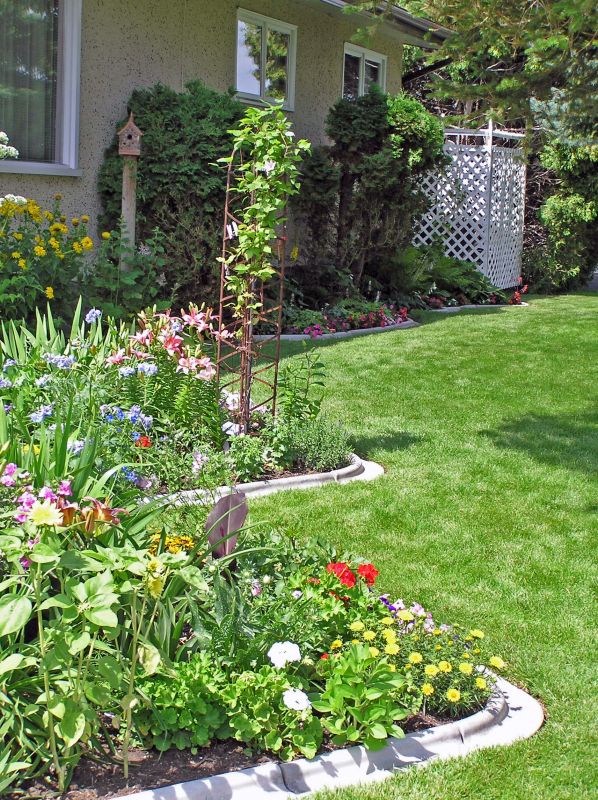
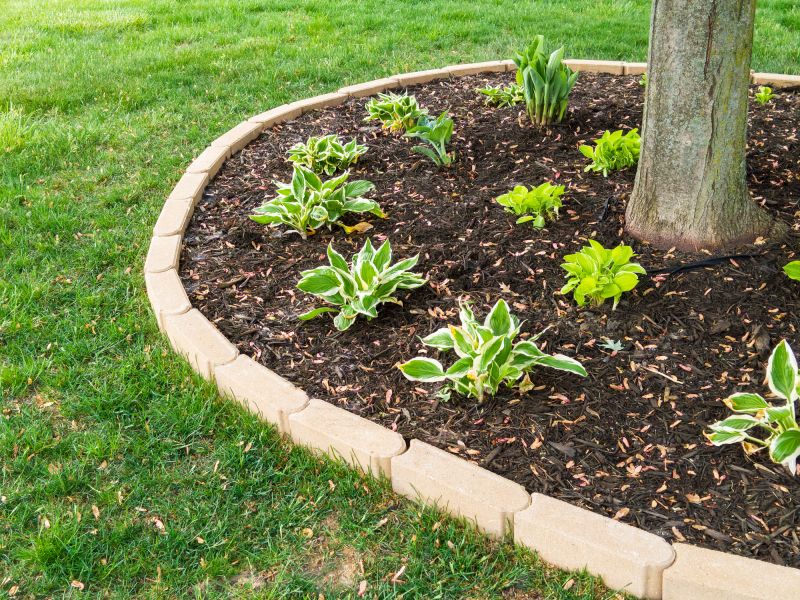
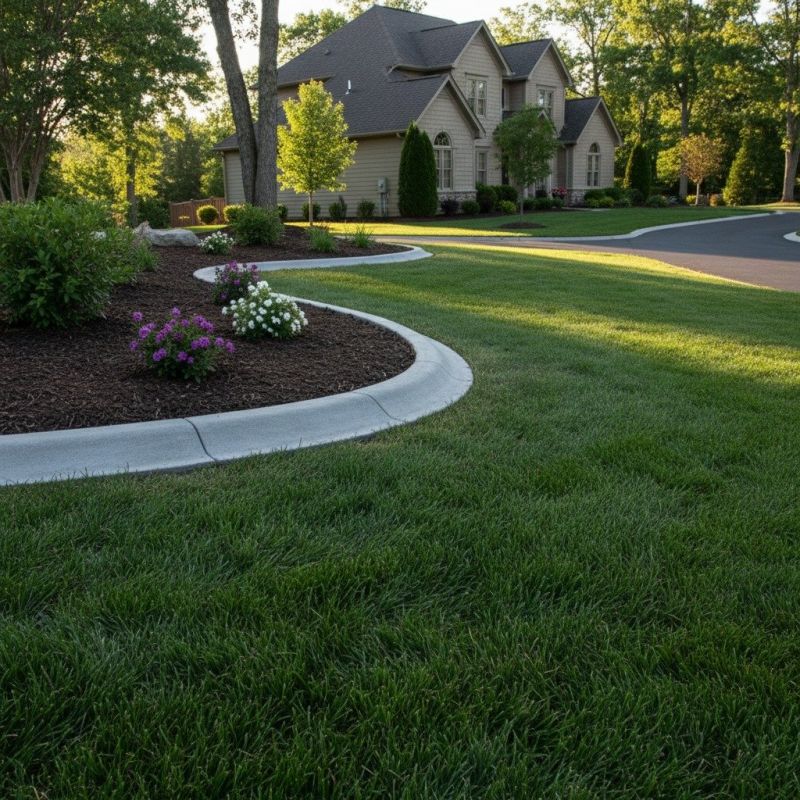
Flowerbed curbing installation involves adding a defined border around garden beds to create a clean, polished look. This service typically includes preparing the area, selecting appropriate materials such as stone, brick, or concrete, and carefully installing the edging to ensure durability and visual appeal. Properly installed flowerbed curbing helps define garden spaces clearly, making landscaping easier to maintain and enhancing the overall appearance of a yard or landscape.
This service addresses common landscaping problems like soil erosion, uneven edges, and overgrown plants spilling into pathways or lawn areas. Without a proper border, flowerbeds can become messy over time, with mulch or soil spreading beyond their intended space. Installing curbing helps contain mulch and soil, prevents grass from encroaching into flowerbeds, and reduces maintenance efforts. It also provides a sturdy barrier that can withstand weather conditions and regular yard activity.
Flowerbed curbing is often used on residential properties, including single-family homes, townhouses, and estate gardens. It’s especially popular in properties with formal gardens, landscaped front yards, or backyard retreats where a neat, organized look is desired. Commercial properties, such as retail centers or office complexes with landscaped grounds, may also utilize curbing to maintain a professional appearance and keep landscaping tidy.
Homeowners who want to improve the curb appeal of their property or make garden maintenance easier may find flowerbed curbing installation beneficial. It’s an ideal solution for those looking to create clear boundaries around planting areas, prevent soil erosion, or add a decorative element to their landscaping. Local contractors specializing in landscape edging can help assess the specific needs of a property and recommend the best materials and designs to achieve a durable and attractive result.
The overview below groups typical Flowerbed Curbing Installation projects into broad ranges so you can see how smaller, mid-sized, and larger jobs often compare in your area.
In many markets, a large share of routine jobs stays in the lower and middle ranges, while only a smaller percentage of projects moves into the highest bands when the work is more complex or site conditions are harder than average.
Smaller Repairs - Most minor flowerbed curbing repairs or replacements typically cost between $250 and $600. Many routine fixes fall within this range, depending on the extent of the damage or wear.
Standard Installation - Installing new flowerbed curbing usually ranges from $1,000 to $2,500 for many homeowners. This band covers common projects with moderate complexity and size.
Large or Complex Projects - Larger, more intricate curbing installations can reach $3,500 to $5,000 or more. Fewer projects fall into this tier, often involving extensive customization or large areas.
Full Replacement - Complete removal and replacement of existing curbing generally costs between $2,000 and $4,500. Prices depend on the size of the space and the materials used, with most projects landing in the middle of this range.
Actual totals will depend on details like access to the work area, the scope of the project, and the materials selected, so use these as general starting points rather than exact figures.
Retaining Wall Construction - this project involves planning and installing durable structures using similar tools and techniques as flowerbed curbing to define landscape borders.
Garden Edging Installation - local contractors can handle precise edging work that creates clean lines and separates planting areas, similar to flowerbed curbing.
Landscape Border Creation - designing and installing borders around lawns and garden beds requires planning and material handling comparable to curb installation projects.
Pathway and Walkway Laying - installing pathways involves site preparation and material placement skills akin to those used in flowerbed curbing.
Stone or Brick Wall Building - constructing small decorative walls requires similar planning, leveling, and material handling as curb installation.
Soil and Mulch Edging - creating defined edges for soil and mulch beds involves precise placement and planning similar to curb installation services.
When evaluating potential service providers for flowerbed curbing installation, it is helpful to consider their experience with similar projects. Homeowners should inquire about how many curbing installations the contractors have completed and whether they have worked on projects comparable in scope and style. An experienced contractor is more likely to understand the nuances of curbing materials, design options, and installation techniques, which can contribute to a successful outcome. Gathering details about their background with similar projects can provide insight into their familiarity with the process and their ability to handle specific design preferences or site conditions.
Clear, written expectations are essential for ensuring that both the homeowner and the service provider are aligned on the project's scope, materials, and responsibilities. When comparing local contractors, it’s beneficial to request detailed proposals or written estimates that specify the work to be performed, materials to be used, and any other relevant details. This documentation helps prevent misunderstandings and provides a basis for comparing offers objectively. Well-defined expectations also enable homeowners to assess whether a contractor’s approach aligns with their vision and needs.
Reputable references and effective communication are key indicators of a reliable service provider. Homeowners should seek out local pros who can provide references from previous clients, ideally with projects similar in nature. Speaking with past customers can reveal insights into the contractor’s professionalism, quality of work, and ability to adhere to commitments. In addition, good communication throughout the inquiry process-prompt responses, clarity in explanations, and willingness to address questions-can be a strong sign that the contractor values transparency and customer satisfaction. These qualities contribute to a smoother project experience and a final result that meets expectations.
Property owners use Flowerbed Curbing Installation services for practical projects around their homes and businesses. This guide focuses on everyday jobs and straightforward project options.
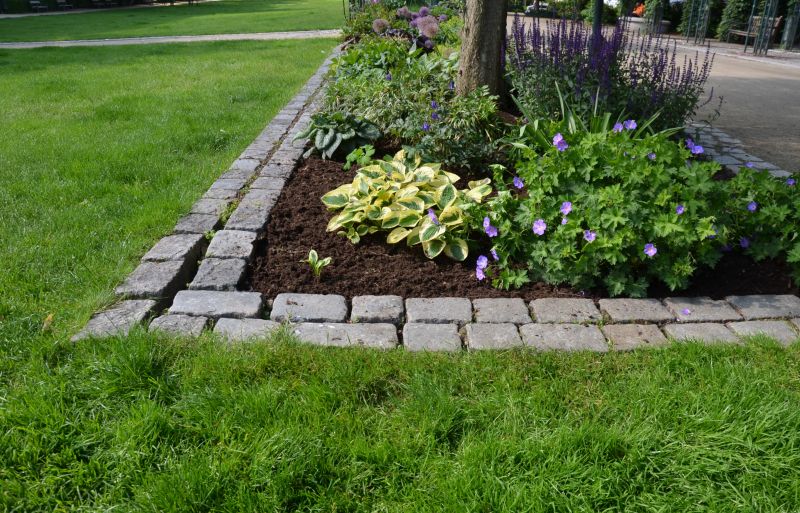
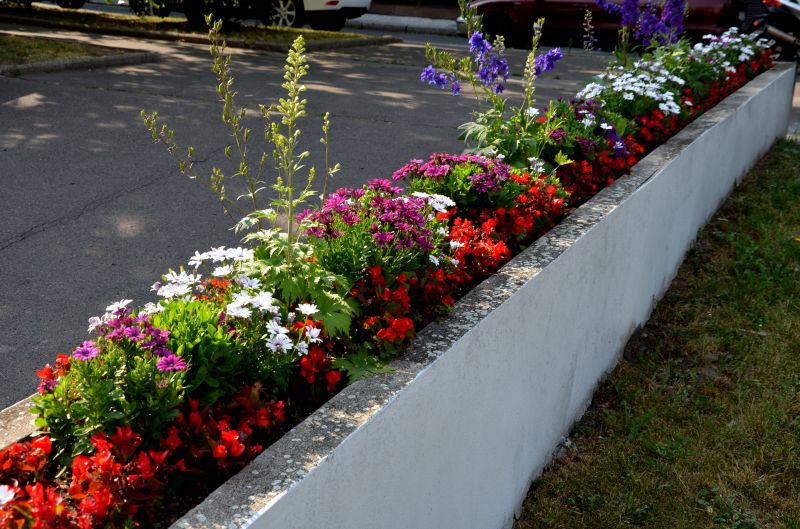
Flowerbed curbing installation is a common project for property owners looking to define garden areas and prevent soil erosion. Homeowners might seek this service when they want to improve curb appeal, keep mulch or soil contained, or create a clean, finished look around landscaping beds. Local contractors can help with selecting the right materials and designing a border that complements the style of the property, making it easier to maintain tidy and attractive garden spaces.
In addition, property owners may look for flowerbed curbing services to address issues like uneven ground or overgrown plants encroaching on lawn areas. Installing a durable curb can also serve as a practical solution for preventing grass from spreading into flowerbeds or vice versa. Local service providers are available to handle these projects, offering the expertise needed to enhance the landscape’s functionality and visual appeal.
What is flowerbed curbing installation? Flowerbed curbing installation involves adding a border or edging around garden beds to define their shape and prevent soil or mulch from spilling into surrounding areas.
What materials are used for flowerbed curbing? Common materials for flowerbed curbing include concrete, stone, brick, or plastic, chosen based on durability and aesthetic preferences.
How do local contractors install flowerbed curbing? Local service providers typically prepare the area, lay the chosen material, and secure the curbing to create a clean, finished edge around garden beds.
Can flowerbed curbing be customized to fit different garden styles? Yes, local pros can customize the shape, height, and material of the curbing to complement various landscape designs.
Is flowerbed curbing suitable for all types of gardens? Flowerbed curbing can be installed in most garden types to enhance appearance and define planting areas, depending on the specific landscape needs.
Define garden boundaries - Installing flowerbed curbing helps property owners clearly mark garden areas to keep grass and mulch separate.
Prevent soil erosion - Proper curbing can contain soil and mulch, reducing runoff during heavy rain and maintaining landscape integrity.
Enhance curb appeal - Well-installed curbing adds a polished look to flowerbeds, boosting the overall appearance of outdoor spaces.
Protect plantings - Curbing creates a barrier that shields flowerbeds from foot traffic and accidental damage.
If you are thinking about Flowerbed Curbing Installation for a property, this guide is meant to help you understand the work, the typical project types, and how different options might fit your plans.
When you are ready, you can use the quote form on this page to share a few details about your project. From there, local pros can review the basics and respond with options that match what you have in mind.